

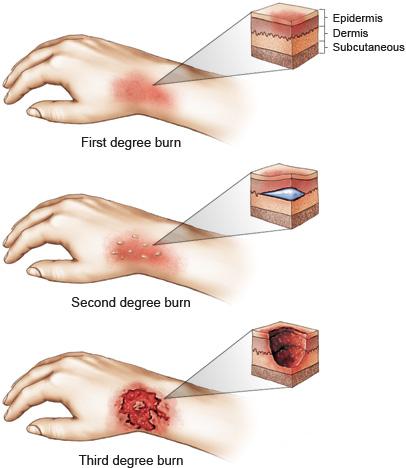
 How to treat second degree burns at home
Second degree burns are fairly common especially if you are involved in hazardous professions like factories or construction industry. In addition, second degree burns can also occur in domestic setting and make become a leading cause of morbidity and cosmetic disfigurement. This type of burns involves the superficial as well as deep layers of skin that definitely requires medical management; however, caution must be taken to avoid deterioration to third degree burns.
Here are a few general tips to optimize recovery of your second degree burns after primary medical management in burn care center:
Avoid picking on wounds, blisters or scabs
Since second degree burns have a tendency to induce a more severe inflammatory tissue response that includes blisters or cystic swellings. Although these lesions are fairly annoying and may limit your capacity to do a lot of work, it is highly recommended to avoid unnecessary touching, picking or poking these lesions to minimize the risk of infections.
Research conducted by Bruck suggested that approximately 17% of all second degree burns get secondarily infected by fungal infection. The risk of bacterial infections is even higher.
Employ aseptic measures to manage burn wounds
You may come across a number of websites or other educational material that may suggest home remedies to hasten the recovery of your lesions, but always be sensible and realistic while actually practicing home remedies
For example,
- Never apply lubricants like butter or oil on the second degree or third degree wounds
- Direct applications of proteins that contain collagen like egg white is also a useless and somewhat risky method that does not affect the healing process but may introduce germs or microbes in your lesions (thereby delaying healing further)
- Use sterile gauze for dressing and not the cotton
- If your wound is dry, healing, ulcerating or weeping; never leave it open. A lot of people use cotton and ointments for dressings, which is not a good idea considering the deposition of cotton fibers in the healing wound and increasing the risk of allergic or inflammatory response.
Make reasonable choices while dressing your wound
- Do not apply tight dressing on the healing wound for a number of reasons.
- The tight dressing interferes with the overall circulation and delays the healing process
- Sometimes the inflammation process initiates healing as part of recovery. Suppressing the inflammation may lead to deeper tissue destruction.
- Always use sterile dressing (you can get a lot of no- prescription dressings).
- Use ointments like Polysporin or Bacitracin after consulting a healthcare professional. Avoid anti-septic sprays. Never use adhesive dressings for fresh burns.
- Always take caution and care while removing an adherent dressing from the healing wound. Be gentle, slow and if still the dressing is hard to remove, you can always soak the edges of dressing with little water.
Tight dressing may be painful and discomforting.
Most importantly, before purchasing the dressing, always read the label and instructions (if you are allergic to certain synthetic material, make sure the dressing is free of it).
Limit movement in initial stages of healing.
When the burn injury is fresh, it is suggested to avoid vigorous activity or movement; at least in the first couple of weeks after injury. This is required to lessen the intensity of pain and also to prevent tearing the pre-mature scab. If the burn injury involves limbs, elevate and support the involved limb to minimize inflammatory swelling.
Herbal and nutritional supplements that promote burn wound healing?
Herbal and nutritional supplements alleviate excessive inflammatory responses by the body and promote regeneration of tissues by supplying proteins, micronutrients like vitamins and minerals and other immune boosting functions.
Vitamin E and Vitamin C supplements help in synthesis of collagen. Vitamin C can be obtained from fresh fruits and vegetables like orange, tangerine, lemon, broccoli and beans. Vitamin E can be obtained from fish and meat.
St. John’s Wort supplements aid in reducing inflammatory responses.
Never apply topical herbal aids like aloe vera on second degree burns or third degree burns without speaking to your healthcare professional.